


Highlight of the JRCS International Activities in FY 2024- Summary Part3: Support for Refugees and Displaced People Affected by Armed Conflict -
Humanitarian crises due to natural disasters and armed conflicts continue to uphold around the world, threatening lives, health and dignity every day. Looking back on fiscal year 2024, the world witnessed not only heart-wrenching hostilities such as the ongoing Russia-Ukraine international armed conflict, the escalation of the conflict in Israel and the occupied territories, and the severe humanitarian situation in the Middle East including Lebanon, but also numerous large-scale natural disasters such as cyclones, floods, and droughts that had seriously impacted communities.
In response, the Japanese Red Cross Society (JRCS) has been actively engaged in international relief efforts. These range from emergency response - that immediately provides medical care, food, clothing, and shelter with the International Red Cross and Red Crescent Movement(Movement) - to supporting the recovery of Red Cross and Red Crescent National Societies in the countries affected by disaster, conflict or other crisis through the JRCS overseas relief funds. The Movement is a global humanitarian network, which consists of the International Committee of the Red Cross (ICRC), the International Federation of Red Cross and Red Crescent Societies (IFRC) and 191 National Red Cross and Red Crescent Societies. Drawing on its strengths in health and medical care, and the JRCS provides assistance based on local needs.
Ukraine Humanitarian Crisis Relief Programme
It has been three years since the international armed conflict between Russia and Ukraine escalated. Fighting and attacks continue in various areas, resulting in the tragic loss of many lives. Infrastructure including educational and medical facilities are under attack, causing extensive damage. More than 10 million people are still displaced outside their home countries due to the ongoing armed conflict, and 12.7 million people are in need of humanitarian assistance. The JRCS, together with the IFRC, the ICRC, and other National Red Cross Societies including the Ukrainian Red Cross Society (URCS), has been supporting people in these difficult situations. To date, humanitarian assistance has reached 22 million people in Ukraine and neighboring countries.
Humanitarian Assistance to date in Ukraine and Neighboring Countries
| Basic Needs assistance: 20.9 million people | Health and Care: 2.79 million people |
| Water, Sanitation and Hygiene: 1.49 million people | Protection: 850,000 people |
| Evacuation Assistance: 1.74 million people | Cash and Voucher Assistance: 2.97 million people |
The JRCS has received 9,618,091,810 Japanese yen in donations from general public to its overseas relief funds as of December 31, 2024. The JRCS provided 5 billion yen from the funds to the IFRC and the ICRC for their relief activities. With the remaining 4.6 billion yen, the JRCS is implementing bilateral projects with the URCS. In 2024, the Mobile Rehabilitation Unit Project in Ivano-Frankivsk region and the Emergency Response Team Project in Zakarpatcha region and Ivano-Frankivsk region started, and the JRCS is providing technical support through its international delegates. In February 2025, the JRCS and the ICRC held a public online event(Japanese only) to share updates on ongoing activities. As humanitarian needs remain urgent, we appreciate your continued support for those affected by the humanitarian crisis in Ukraine and impacted countries.
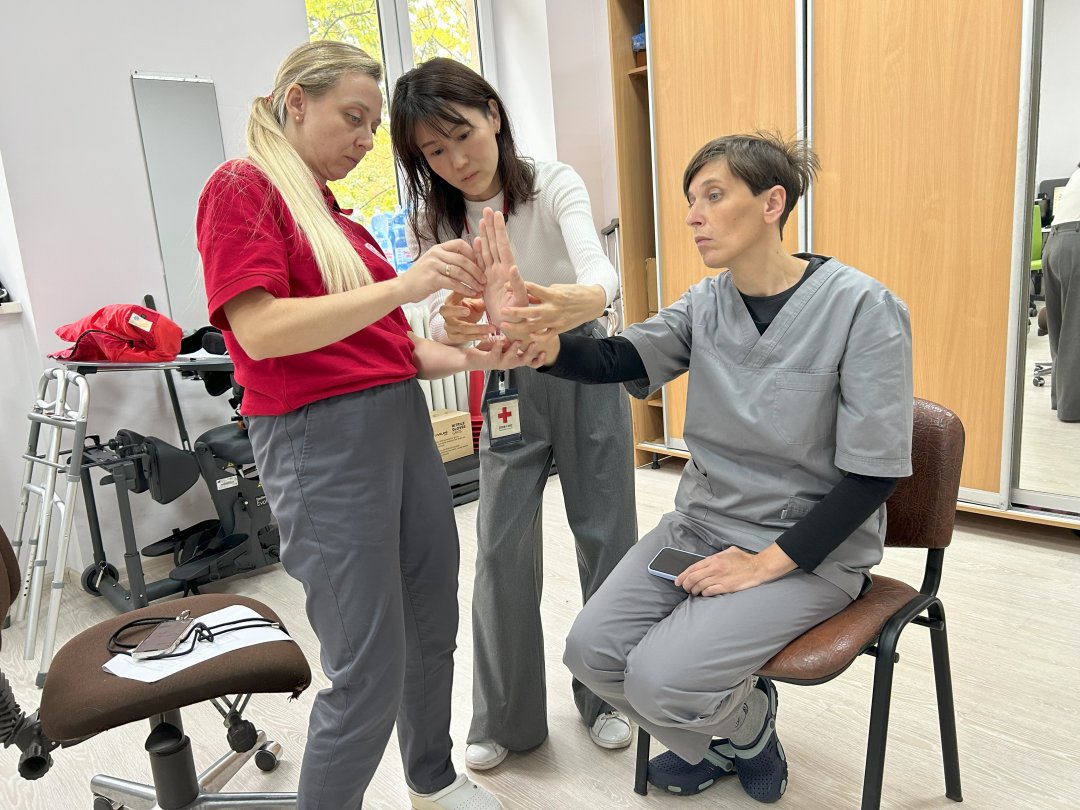
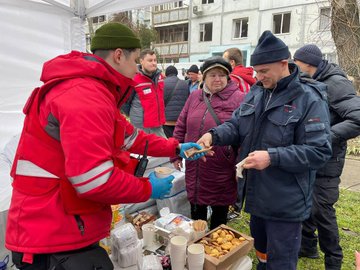
©URCS
Ukraine Humanitarian Crisis Relief Programme
Hostilities in Israel and the occupied territories / Escalation of hostilities in Lebanon
Since October 2023, the hostilities between Israel and Gaza have escalated, affecting many civilians. According to UN OCHA, as of November 2024, the death toll on both sides has exceeded 44,000. In January 2025, fifteen months later, a ceasefire agreement took effect, and people are gradually returning to northern Gaza. The release of the hostages and the detainees, as agreed upon by the parties, is underway. The impact of the humanitarian crisis has spread to neighbouring countries, including Lebanon; the damage was not limited to the southern part of the country near the Israeli border but rapidly spread throughout the country.
Since the hostilities between Israel and Gaza escalated, there have been many displaced people in Gaza. Food, water, and medicine have become even more scarce in the area because of the severe restrictions on the movement of goods and people. In May 2024, the ICRC, in collaboration with twelve Red Cross Societies including the JRCS, established a field hospital in Rafah in southern Gaza. In Gaza, where a polio outbreak was confirmed, the local Ministry of Health and partners, including the UN and the World Health Organization (WHO), conducted a polio vaccine campaign in September and October 2024, and the Palestine Red Crescent Society also supported the vaccination of children.
The Magen David Adom (MDA: Red Cross in Israel) assisted the affected population with activities such as transporting the wounded and securing blood for transfusions, while the ICRC, as a neutral humanitarian organization following an agreement between the parties, has supported the safe handover of hostages and detainees. To date, the ICRC has transferred 24 hostages from the Gaza Strip to Israel and 985 Palestinian detainees from Israel to the occupied Palestinian territories (as of February 15, 2025).
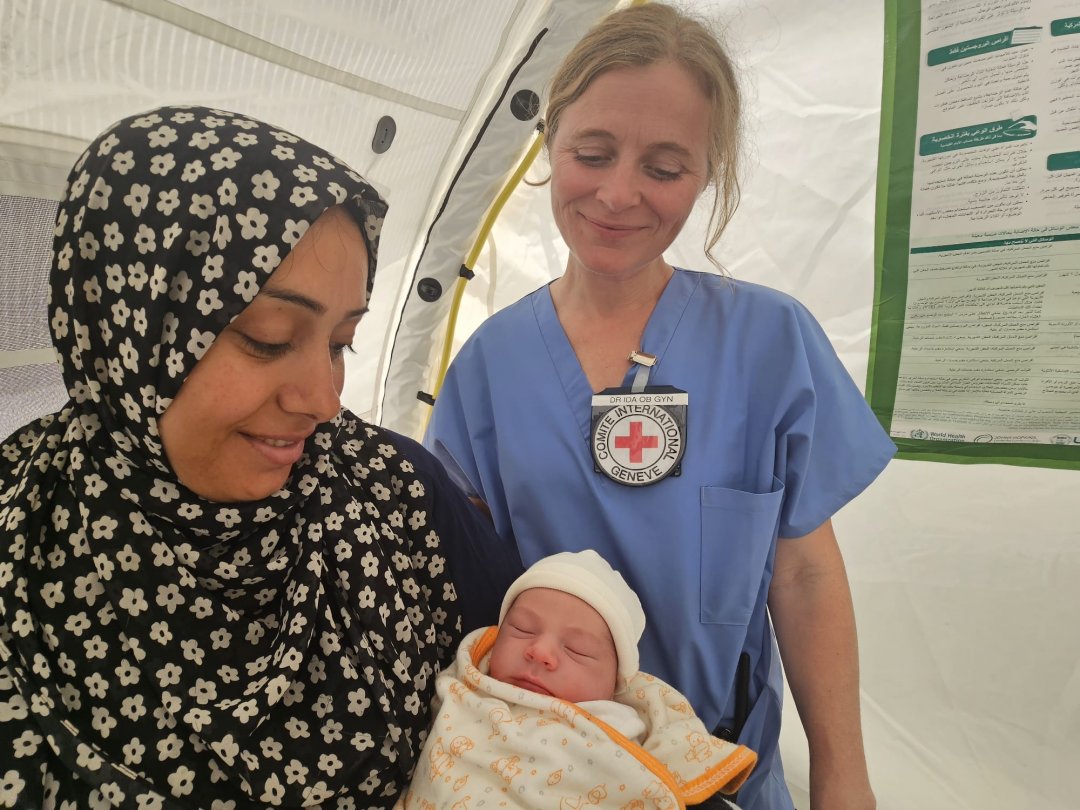
©ICRC
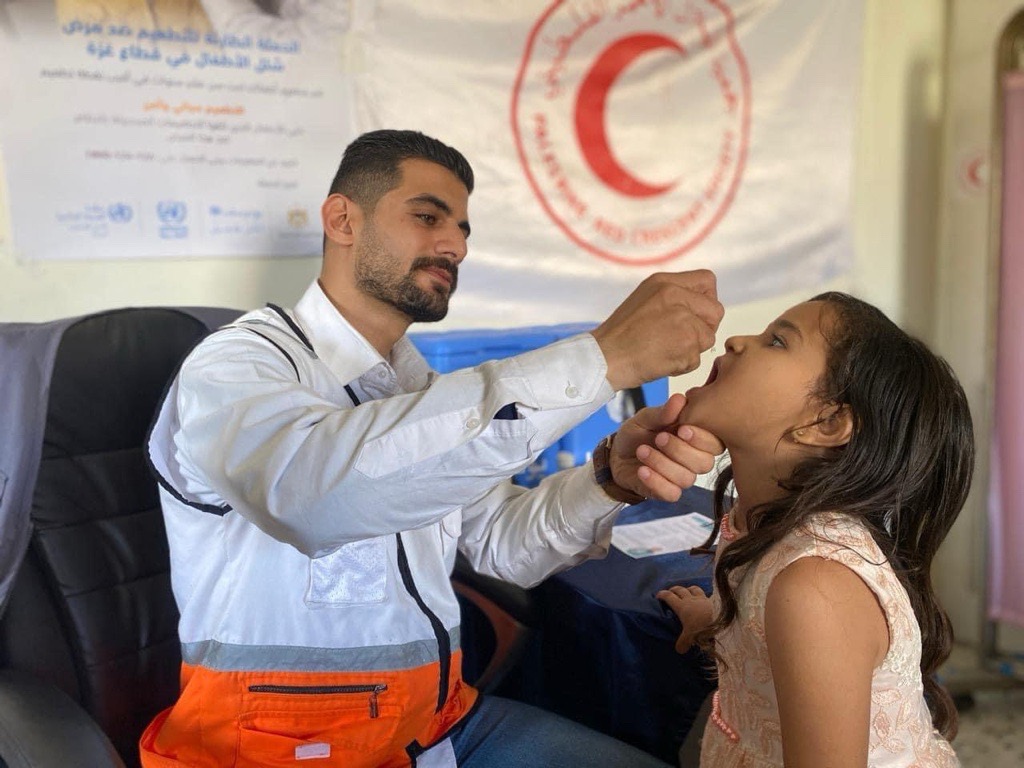
©PRCS
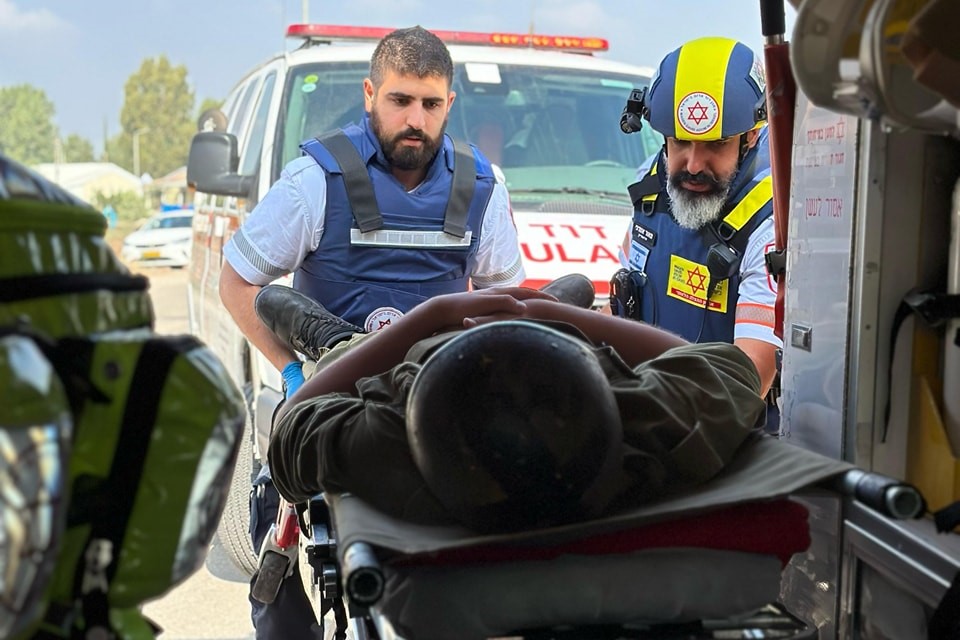
©MDA
According to the Lebanese Ministry of Health, from October 2023 through February 2025, more than 4,200 people have been killed and 17,500 injured in Lebanon. During this period, the number of people displaced from their homes and forced to flee their homes has also increased rapidly.
The Lebanese Red Cross dispatched first aid teams to search and rescue the injured, visit evacuation centers, install and repair facilities such as showers and drinking water, and distribute relief supplies. The Lebanon branch of the Palestine Red Crescent Society, which assists Palestinian refugees in Lebanon, also strengthened its first aid team's activities. They provided first aid to the injured and transporting them to medical facilities. Some Palestinian medical personnel continued their relief and medical activities, even as they evacuated from camps in southern Lebanon and southern Beirut suburbs.
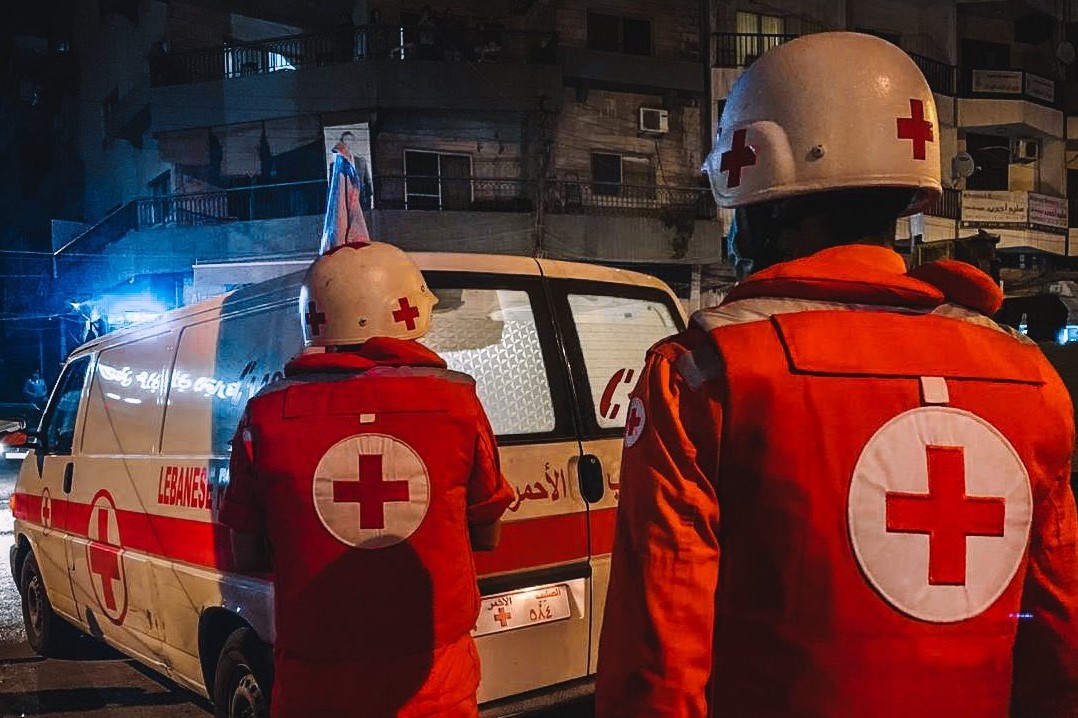
©LRC
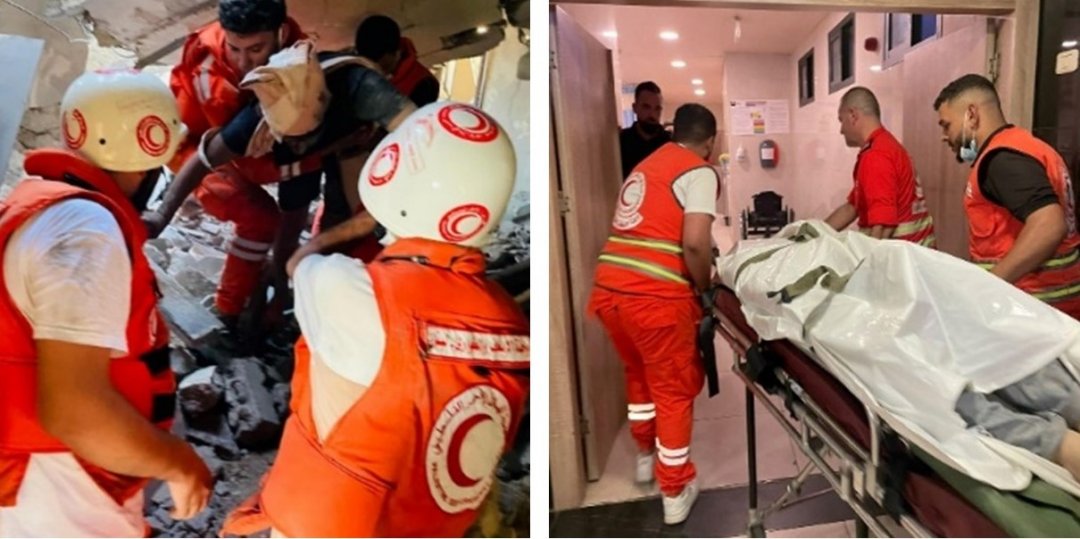 ©PRCS
©PRCS
Humanitarian Relief Programme in the Middle East
Many people in the Middle East region are living under the effects of protracted conflicts and violence, such as the ongoing Palestinian-Israeli issue spanning over 70 years and sporadic clashes in the region since 2010. In 2015, the JRCS established its Middle East and North Africa Regional Office in Beirut, Lebanon, and has been working with the Movement partners to provide long-term support.
-Medical Assistance through the Lebanon Branch of Palestine Red Crescent Society
Palestinian refugee medical workers have limited opportunities in accessing training on rapidly advancing medical technology due to movement restrictions and others. To help address this gap, the JRCS has dispatched doctors and nurses to the area to since 2018 to provide technical support. Since July 2024, in cooperation with a local university and the Palestine Red Crescent Society, the JRCS has started a program to train anesthesia technicians (for nurses) and diagnostic skills (for doctors) to address the shortage of anesthesiologists and to improve local medical services.
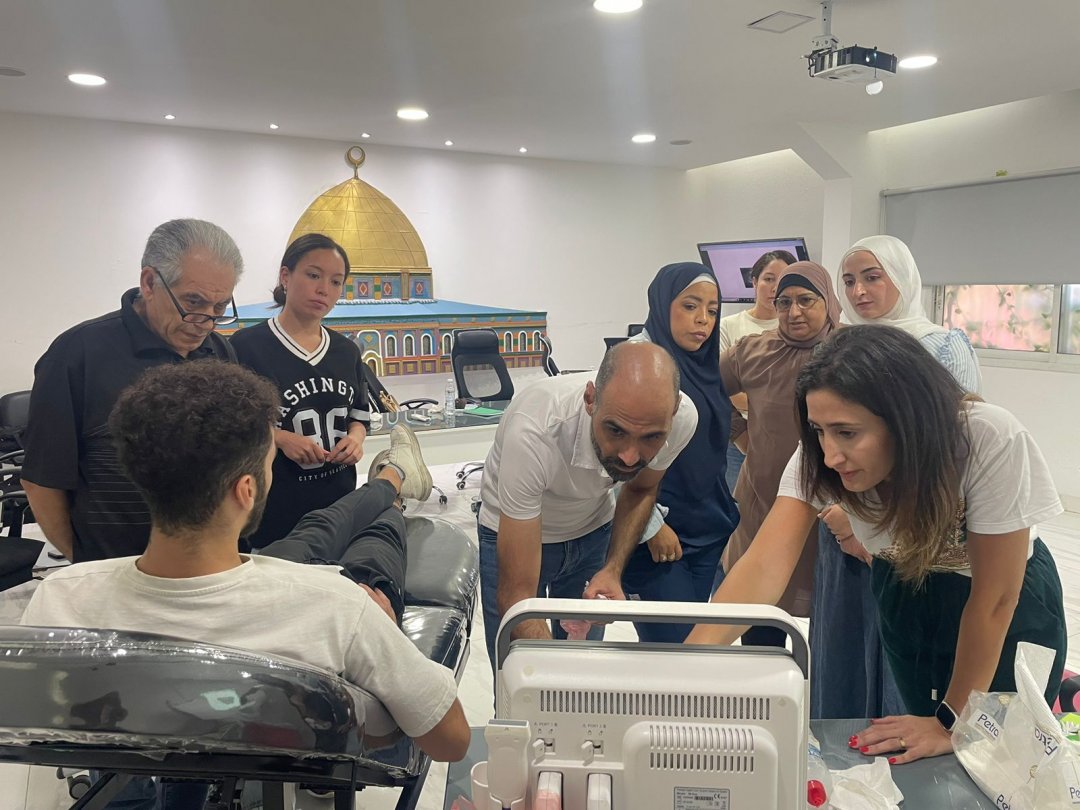 ©PRCS
©PRCS
-Lebanese Red Cross Primary Health Center (PHC) Support
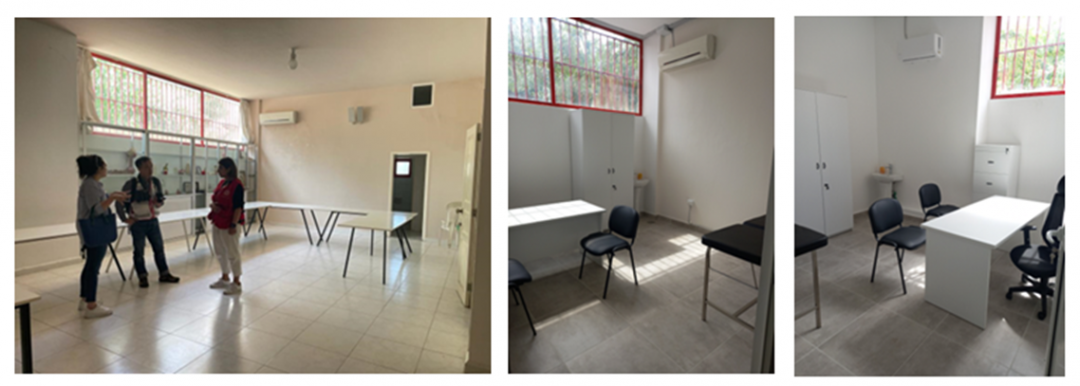
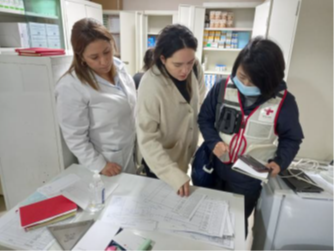
Lebanon has the highest number of refugees per capita in the world and has recently been hit by a severe economic crisis. The PHCs of the Lebanese Red Cross, which provide free prescriptions for medicines, serve as a vital lifeline for many people amid the rising cost of medications and other items. The conflict has led to a temporarily influx of patients at the PHCs, especially in the country’s south. The JRCS is supporting the stable operation of the Lebanese Red Cross PHCs and the repair of their facilities.
The humanitarian situation in the region remains dire. The JRCS, in cooperation with the Movement partners, continue to provide support without interruption. We ask for your continued support and cooperation.
Health Care Project in Cox’s Bazar, Bangladesh
In August 2017, a large number of people from Rakhine State, Myanmar fled violence and crossed the border into Bangladesh. Today, nearly one million displaced people are living in densely populated camps and facing restrictions on freedom of movement. In 2024, an estimated 60,000 people newly arrived in Bangladesh to join their relatives and acquaintances in the camps (UNHCR, December 2024). As the prospects for a safe, dignified, and voluntary return to Myanmar remains uncertain, the new influx is exacerbating the already protracted and overcrowded living conditions in the camps.
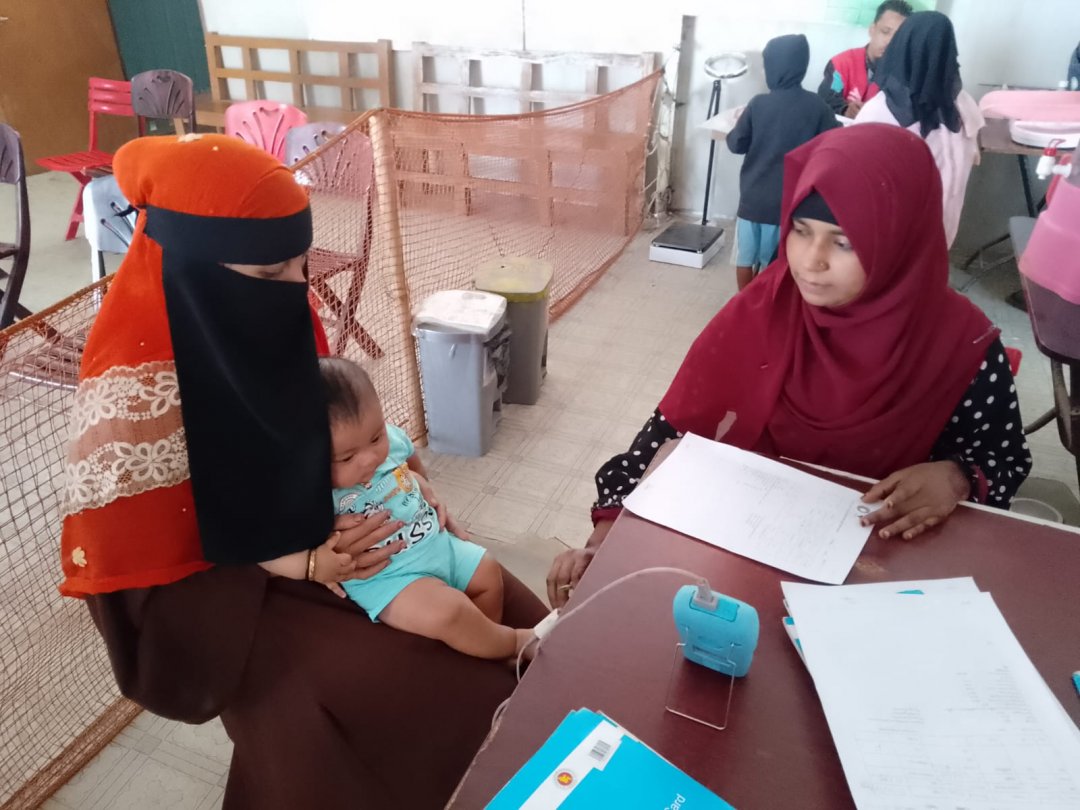
In response, the JRCS has been providing humanitarian support since September 2017 in cooperation with the Movement partners, including Bangladesh Red Crescent Society (BDRCS). The project goal is that the displaced people will live healthier lives, both physically and mentally, through the provision of comprehensive medical and health services.
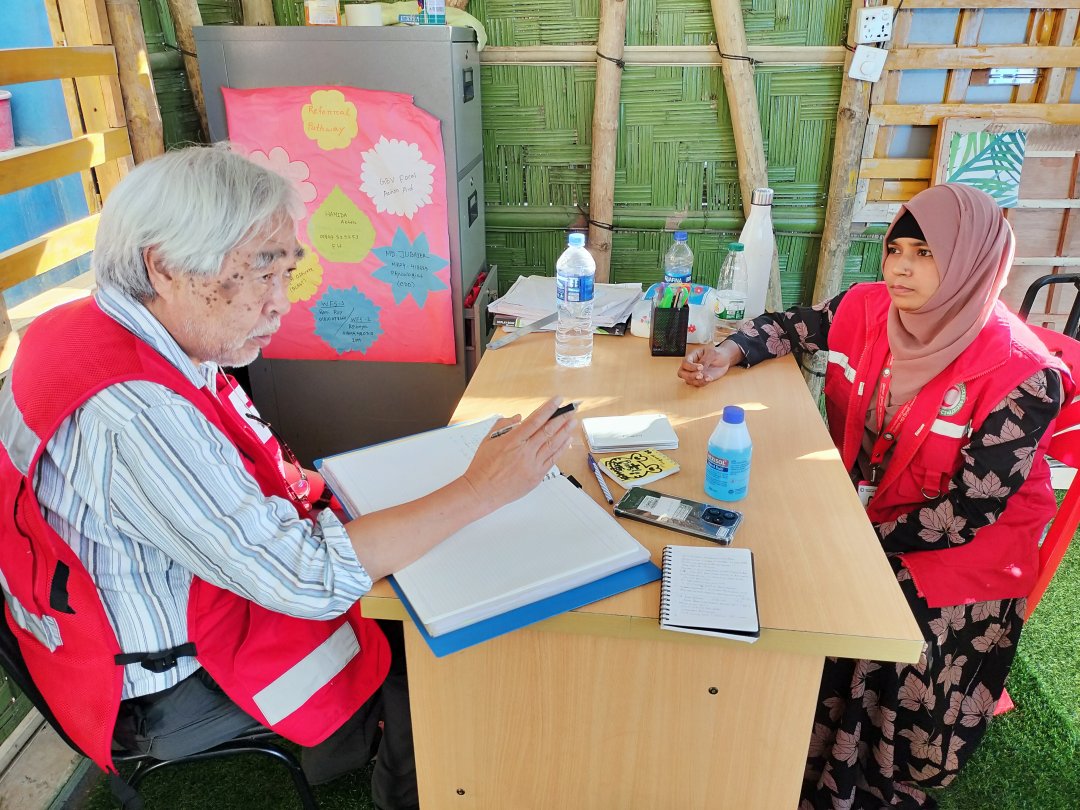
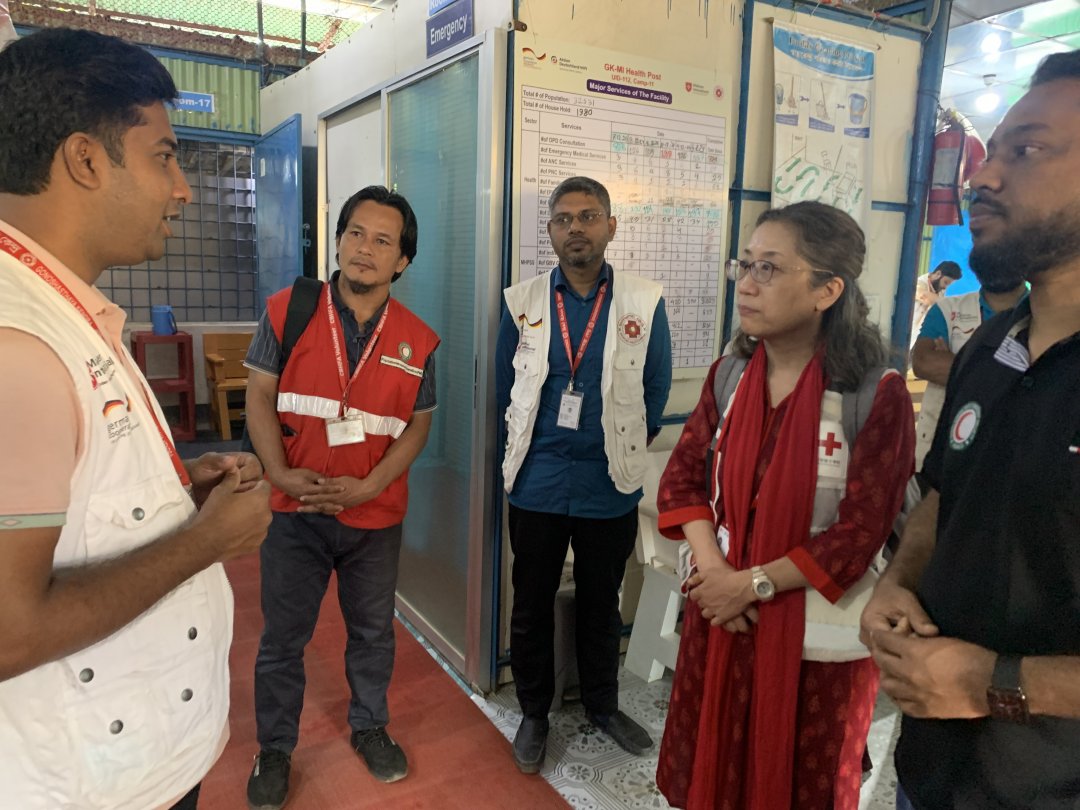
(Photo) In December 2024, the JRCS, together with the BDRCS and Qatar Red Crescent Society, conducted a project evaluation.
(* The Movement does not use the term “Rohingya” in consideration of the political and ethnic backgrounds and the diversity of people who have been displaced.)
Brief summary of the Health Care Project accomplishments *
• Medical services: more than 216,000 patients
Thanks to the efforts of doctors and dedicated clinic staff, the JRCS-supported health post in Camp12 has gained a strong trust from the community and is now recognized as "a model clinic" in the camps. The following three factors are also noted: 1) more than 80% of patients requiring follow-up care received household visits by community health volunteers, 2) the number of people receiving psychological first aid (PFA) at the health post has increased due to the introduction of an internal PFA referral system, and 3) regular study sessions for community health volunteers are held at the health post, as part of efforts to "establish a comprehensive patient support system centered on the health post".
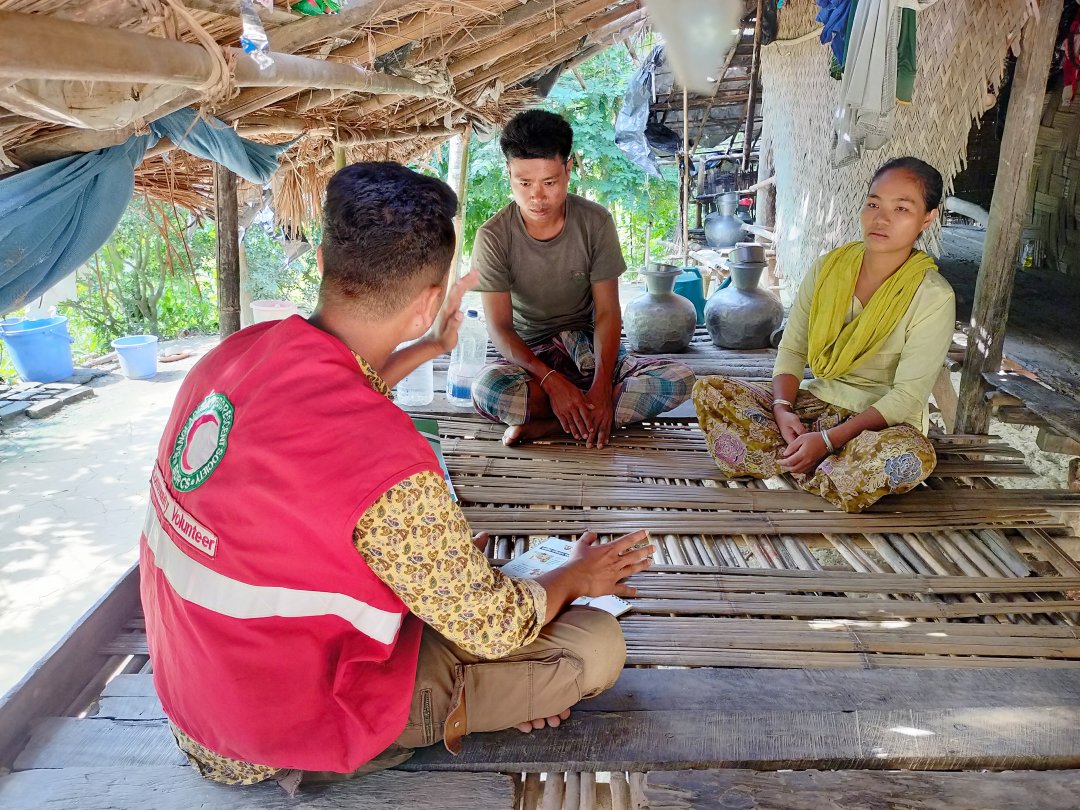
• Community health activities: more than 283,000 household visits
Community health volunteers visit households approximately 2-3 times a month and are commended for carefully listening to their voices and addressing topics based on identified community needs in their study sessions to ensure that no one is left behind.
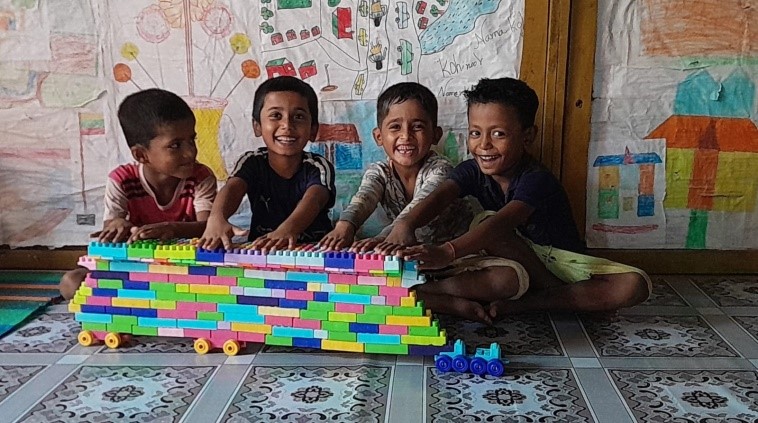
• Psychosocial support: more than 145,000 people participated
The introduction of the internal PFA referral system in the health post has enabled the Psychosocial support(PSS) programs to deliver necessary services more seamlessly to those in need in collaboration with the health post. In addition, the better care for non-communicable diseases based on PSS activities at the health post has been commenced, and exercise therapy and peer counseling for patients have been developed, contributing to the acquisition of a healthy lifestyle both mentally and physically for the displaced people.
As global attention and funding are increasingly diverted to other disasters and conflicts around the world, your support is vital to continue delivering the humanitarian support.
*Total number of people reached through the project until October 2024
Afghanistan Humanitarian Crisis Response Programme
28.8 million people in Afghanistan, nearly two-thirds of the population, need urgent humanitarian assistance to survive after three consecutive years of drought and a second year of severe economic decline, in addition to the effects of decades of conflict.
According to the UNDP, 15.5 million people face severe food insecurity and more than 85% of the population lives below the poverty line (the minimum income required to survive). The return of refugees, the effects of climate change, and the major earthquakes in 2022 and 2023 have further exacerbated the situation, making Afghanistan one of the world’s most serious humanitarian crises.
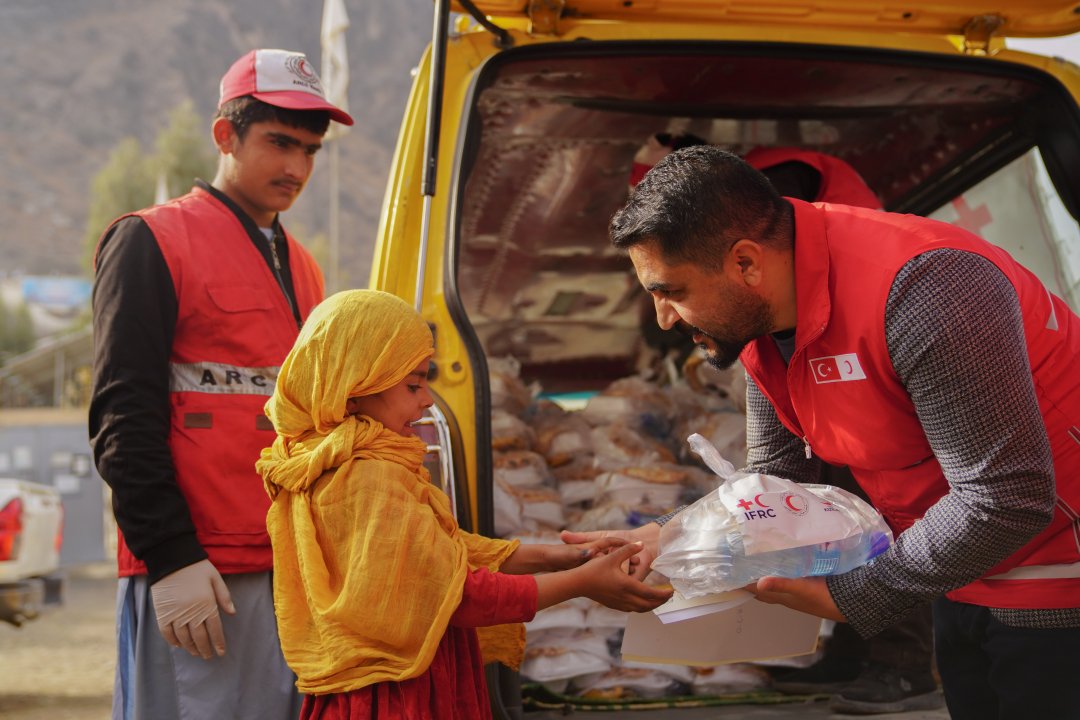
Staff distributing food to children ©IFRC
The Afghan Red Crescent Society (ARCS) has been active in all 34 provinces of the country, providing assistance to more than 2 million people most in need, including the distribution of nutritional food for children and cash transfers for medical treatment and living expenses. It also provides vocational training for women who have lost the head of their household and helps them earn an income through skills such as sewing and embroidery.
In some areas, the ARCS is the only organization which is allowed to provide medical assistance. By dispatching mobile medical teams consisting of doctors and nurses to such areas, we are working to ensure that no one is left behind.
Voices from a recipient of the ARCS Mobile Medical Assistance
We wanted to take a sick family member to a hospital, but we couldn’t afford the trip to the city. At that time, we learned that the Afghan Red Crescent Society was providing a mobile clinic to our village. Words cannot express how grateful we are to the Afghan Red Crescent Society for dispatching a mobile clinic to our area, where access to medical facilities is limited. Red Crescent is providing life-saving assistance."
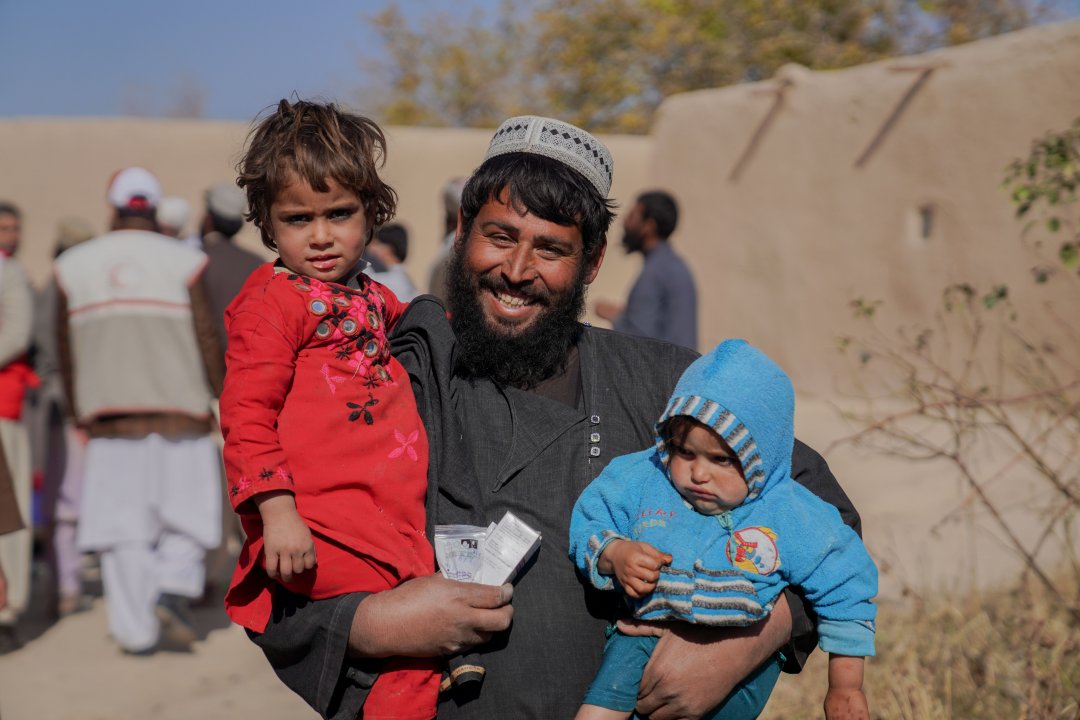
Mr. Taher in Helmand Province, Afghanistan ©IFRC
In fiscal year 2024, the JRCS supported local relief activities as described above through financial assistance to the Movement thanks to your generous donations (total financial assistance in fiscal 2024: 29.7 million yen).
We sincerely appreciate your cooperation and will continue to provide various support to those in need.