


Highlight of the JRCS International Activities in FY 2024-Summary Part 4:Responding to increasingly frequent and severe disasters -
In recent years, natural disasters such as cyclones, floods, and droughts due to climate change, as well as unpredictable large earthquakes, have become more frequent and severe worldwide.
Following the previous “the Review of 2024 – Summary Part 3”, this article focuses on the international relief activities of the Japanese Red Cross Society (JRCS), particularly its response to natural disasters, its preparedness, and contributions of its international delegates.
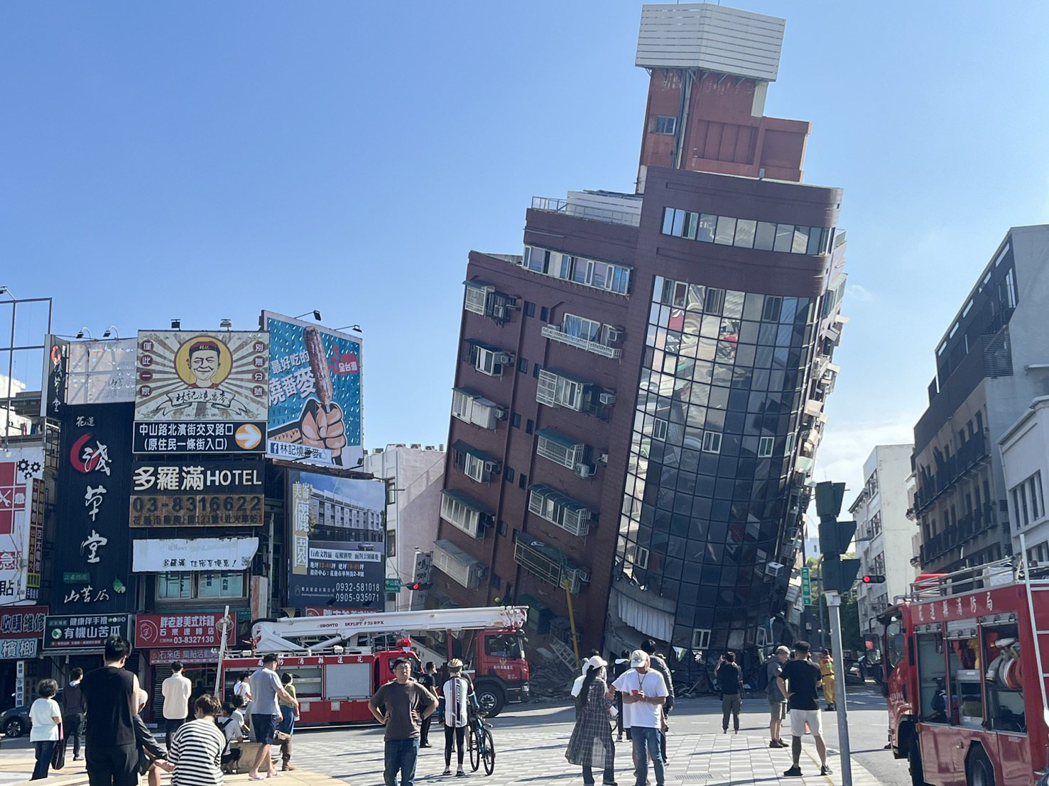
2024 Hualien Earthquake (Taiwan)
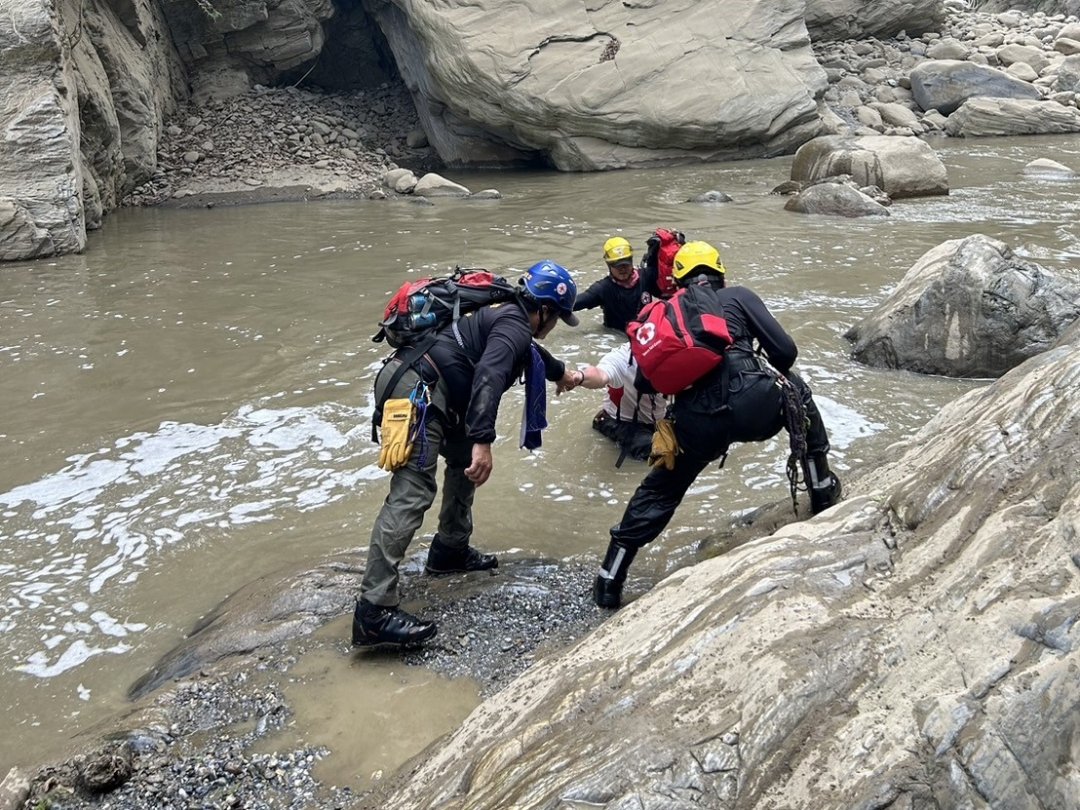
A powerful 7.4-magnitude earthquake struck Taiwan’s eastern coast on April 3, 2024. More than 450 buildings were damaged, mainly in Hualien County near the epicentre, causing multiple casualties and leaving more than 1,900 households in need of demolitions and repairs. In addition, hundreds of people were temporarily isolated in the tourist area of Taroko Gorge due to a massive landslide and falling rocks, and subsequent rainfall hampered search and rescue operations.
Thanks to the heartfelt support of the general public, the JRCS received over 2.898 billion Japanese yen in donations from April 5 to June 28, 2024. The donations are being utilized to support the Taiwan Red Cross Organization (TRCO) in its relief, recovery, and a range of disaster risk reduction and mitigation initiatives based on its five-year plan.
The TRCO deployed disaster response teams led by volunteers to the disaster-affected area in Hualien immediately after the earthquake to rescue people trapped in buildings and Taroko Carren Trail and set up 46 tents near the disaster site to provide a safe environment for evacuees. Moreover, the TRCO visited and extended condolences to the families of 18 victims and 24 hospitalized survivors. In total, 610 households whose houses were severely damaged received vouchers for household goods, and more than 1,000 with moderate damage received repair subsidies in Hualien and New Taipei City.
In addition to the earthquake, several typhoons hit Taiwan from July to October of 2024, and vulnerable households were severely affected by the repeated disasters caused by natural hazards. The TRCO delivered 1,500 food boxes to vulnerable families across the country and provided financial assistance to 900 students in 39 schools to help them continue their studies despite the economic difficulty.
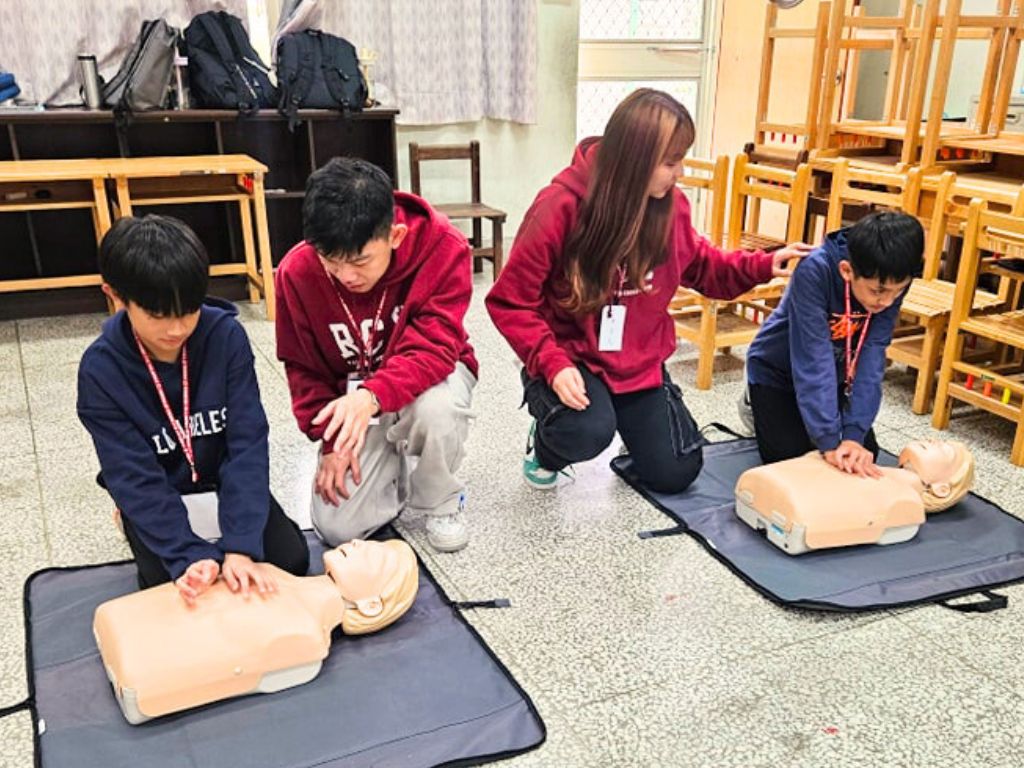
From December 2024 to January 2025, the TRCO organized an Emergency Medical Technician Level 1(EMT-1) Training course for 26 TRCO volunteers and staff to further strengthen their emergency medical response capabilities. The TRCO also organized a Disaster Leadership Training Camp, where 21 high school and university students learned disaster risk reduction and preparedness skills and knowledge. The students who completed the training camp served as instructors to provide disaster preparedness education to 17 elementary school students.
In Hualien County, one of the areas hardest hit by the earthquake, the TRCO has provided funds to the Hualien County Government to build an Emergency Shelter and Multi-function Activity Center in Heping Village in the northern mountains and to rebuild a Fire Department Substation in Shualian Village in the south. Additionally, the TRCO enhances its disaster response capabilities by reinforcing communication technology and cybersecurity while upgrading its IT infrastructure.
 ©TRCO
©TRCO
 ©TRCO
©TRCO
 ©TRCO
©TRCO
Turkey-Syria Earthquake Relief Programme
Two years after the February 6, 2023 Turkey-Syria Earthquake struck southeastern Turkey and neighbouring northwestern Syria, which took nearly 60,000 lives, affected areas are making slow but steady progress toward recovery.
In Turkey, where a wide area of 120,000 square kilometers has been affected, more than 650,000 people are still unable to move into permanent housing as of February 2025. In addition, many areas continue to face shortage of medical facilities and medical personnel. In response to this situation, the JRCS is supporting community health activities in 6 affected governorates, mainly in container camps. Health training sessions for the affected communities are conducted by the Turkish Red Crescent Society (TRCS) staff and volunteers, aiming to mobilize the community, improve health status, increase the resilience. Main topics at the sessions are first aid, prevention for infectious diseases, and healthier habits. When the JRCS staff observed the sessions in November 2024, they noted active engagement/participation from community people.
In Syria, the situation remains dire due to the protracted crisis of armed conflict, economic crisis, and natural disasters including this earthquake. The situation further deteriorated following the large population influx from neighboring Lebanon in late September and rapid changes in the situation in the country in December. The Syrian Arab Red Crescent (SARC), the largest humanitarian aid organization in the country, is responding to the urgent needs by distributing relief supplies and food, providing healthcare support such as ambulance services and mobile clinics, and cooperating with the International Committee of the Red Cross (ICRC) to provide safe water. The JRCS has been continuing its support through the International Federation of Red Cross and Red Crescent Societies (IFRC), with an emphasis on the healthcare sector, such as joint purchasing of medicines with other Partner National Societies, financial assistance for mobile clinics, and physical rehabilitation for people with disabilities. In a recent interview conducted on the second anniversary of the disaster, a Health Coordinator at the IFRC country delegation(English available) expressed her gratitude to the JRCS for its continuous support, as well as spoke for the SARC staff members who have been working tirelessly on the frontlines.
More information about our activities can be found in the recording of our activities briefing held on February 6, 2025 (Japanese only).
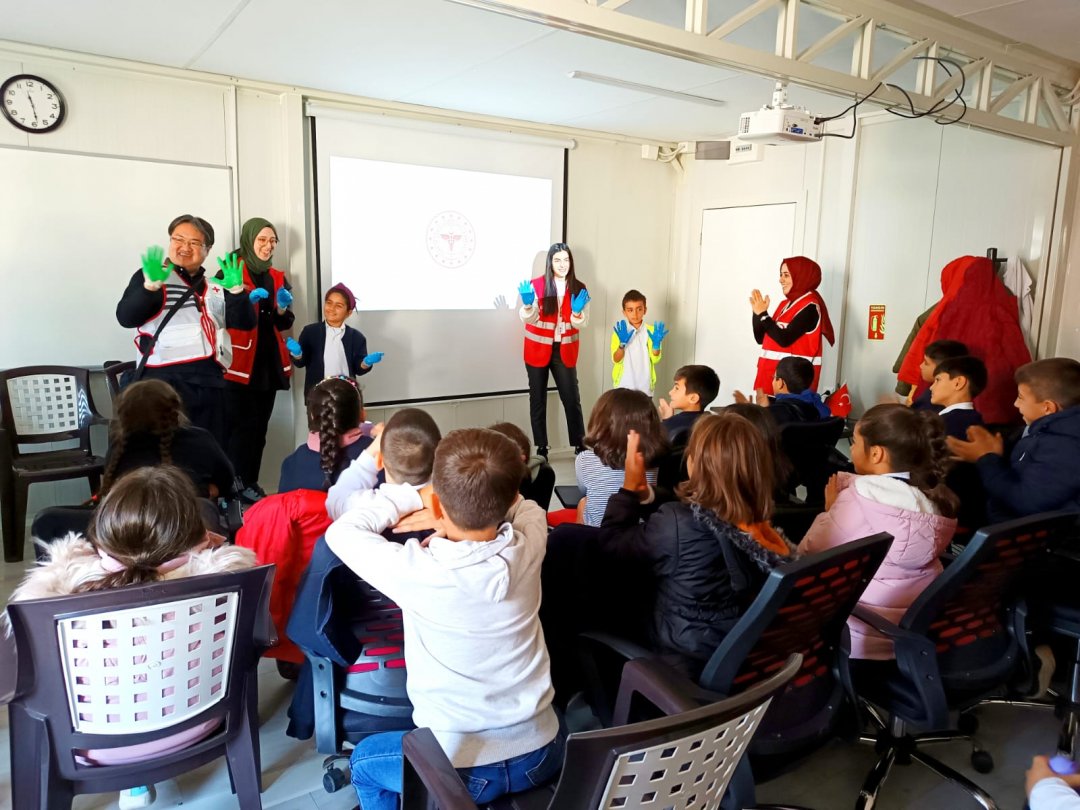 Hand washing and other hygiene training for children at a community health support program
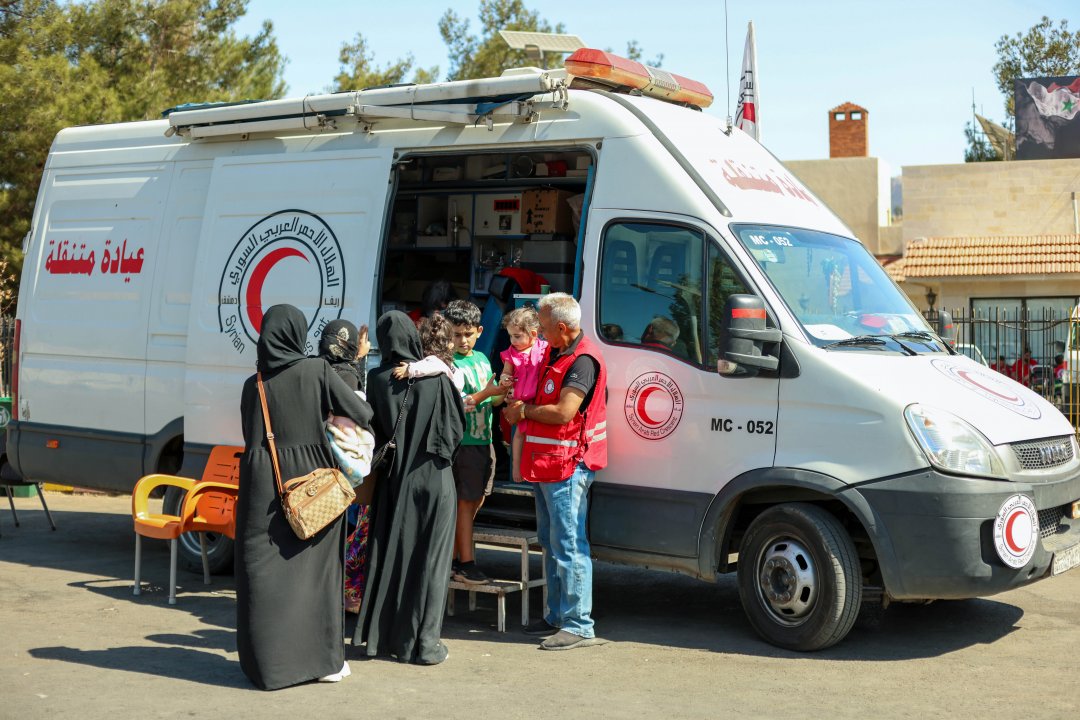 People waiting their turn at the SARC mobile clinic ©SARC
Turkey-Syria Earthquake Relief Programme:
Strengthening Capacities of Red Cross and Red Crescent National Societies in Asia Pacific in Emergency WASH Response and Preparedness
In emergencies such as natural disasters, conflicts, or the spread of infectious diseases, access to clean water and sanitation (referred to as "WASH" in this article) is crucial for protecting health and saving lives. Humanitarian organizations like the Red Cross are the first to respond and the last to leave, and our ability to respond quickly and effectively to ensure WASH in an emergency can be a life-or-death matter for millions of people.
Since 2009, the JRCS has been working to strengthen the WASH response capacities of Red Cross and Red Crescent Societies across more than 30 countries in the Asia Pacific region. In cooperation with the IFRC, the JRCS selects specific countries each year for targeted support. In 2024, the JRCS provided training and equipment to the Malaysia Red Crescent Society, the Indonesian Red Cross, and the Fiji Red Cross Society. The JRCS covered the costs of organizing trainings, procuring and repairing small water kits, replenishing supplies, preparing training materials, and actual disaster response.
Throughout 2024, the Asia and Pacific region faced various types of disasters, including drought in the Marshall Islands and cyclones and typhoons in Myanmar, the Philippines, and Vietnam, which resulted in 45 emergency responses, of which 89% (40 out of 45) involved WASH responses. A total of 1.2 million people received direct water supplies and hygiene items.
This long-running project has seen active participation from JRCS Chapters. In 2024, staff from the JRCS Okayama Chapter and HQs visited project sites to monitor the activities and engage in discussions about future plans and policy directions.
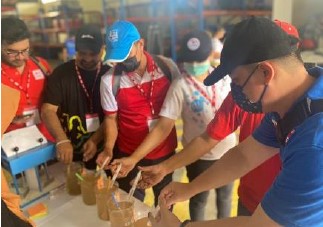
Participants learn water purification methods at the Asia Pacific region-wide WASH emergency response training © IFRC
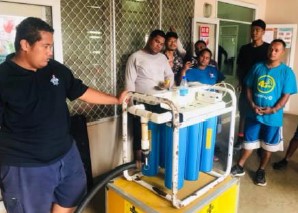
Participants learn how to handle a small water supply kit at the WASH emergency response training for the Oceania region© IFRC
Prepositioning of emergency relief items at the IFRC Asia-Pacific Regional warehouse
The JRCS has pre-positioned 10 types of emergency relief items, including blankets, tents, hygiene kits, and mosquito nets, at the warehouse of the IFRC Asia and Pacific Regional Office in Kuala Lumpur, Malaysia. This stockpiling is based on the IFRC's relief stockpiling strategy, which aims to deliver relief supplies to 5,000 households within 48 hours of a disaster, and reach up to 20,000 households within two weeks thereafter. The majority of the items stockpiled in the Kuala Lumpur warehouse have been provided by the JRCS, which also supports the deployment and replenishment of those items.
In FY 2024, we dispatched the following emergency relief items to eight countries in response to large-scale disasters and other emergencies.
[ Item ]
Fleece Blankets ・・・・・・・・・・・・・・・・・・・・・・・・ 864
Cotton Blankets・・・・・・・・・・・・・・・・・・・・・・・・8,500
Drinking water containers・・・・・・・・・・・・・・・6,039
Kitchen sets ・・・・・・・・・・・・・・・・・・・・・・・・・・2,000
Mosquito nets ・・・・・・・・・・・・・・・・・・・・・・・13,270
House repair kits ・・・・・・・・・・・・・・・・・・・・・・4,802
Waterproof sheets ・・・・・・・・・・・・・・・・・・・・18,000
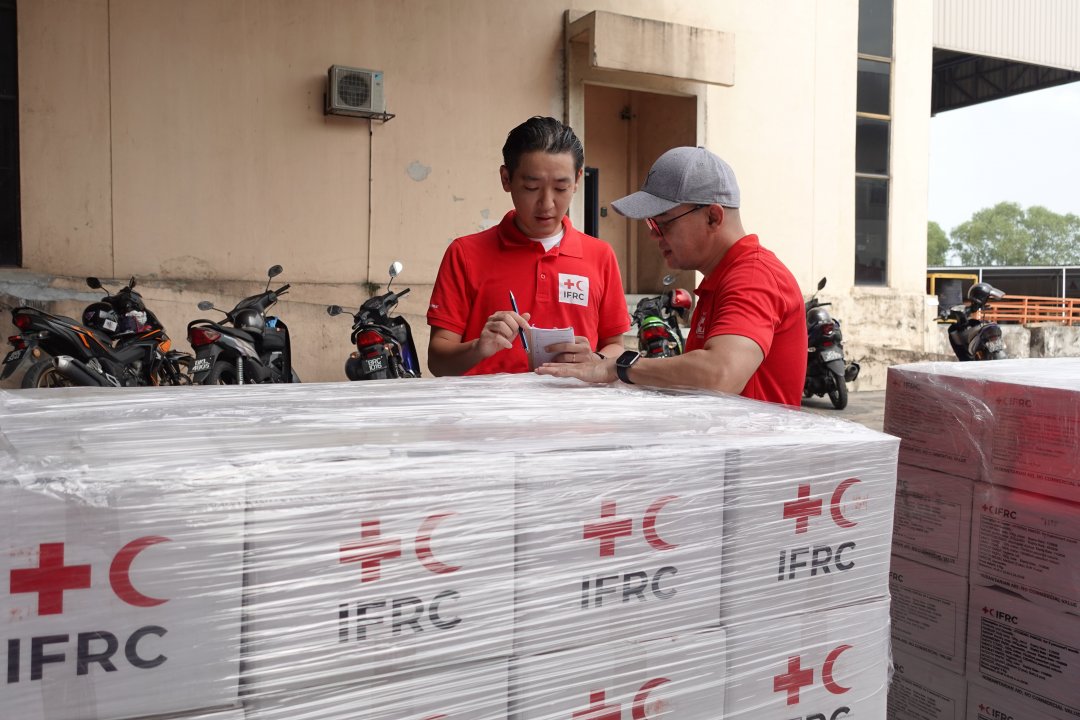 Staff preparing sanitary supply kits for transport.(Left: JRCS staff on secondment to the Federation) © IFRC
In addition to the above, in response to Mongolia's severe winter disaster called "Dzud," 1,000 hygiene kits containing soap, towels, etc. were donated to the Mongolian Red Cross Society. The JRCS staff seconded to the IFRC managed the release of these supplies from the Kuala Lumpur warehouse and coordinated their transport and delivery to Mongolia.
We will continue to strengthen our cooperation with the IFRC and establish a logistics support system to ensure timely and effective material support in the Asia and Pacific region, where cyclones and floods are frequent due to the effects of climate change.
Hospital ERU full-scale deployment training
The JRCS has been maintaining an emergency field hospital (hereinafter referred to as "Hospital ERU") since 2021, ready for immediate deployment to countries affected by large-scale disasters such as earthquakes and typhoons. In December 2024, a full-scale deployment drill was conducted for the first time in five years.
The training involved about 150 participants, including doctors, nurses, technical and administrative personnel from Japanese Red Cross hospitals and Chapters, as well as personnel from partner companies in electricity and water supply, as well as undergraduate and graduate nursing students who aspire to work in the field of international nursing. Over 10 days, participants practiced setting up the hospital, mock operation and dismantling the hospital, all under realistic deployment scenarios. Experienced JRCS staff with prior overseas disaster deployment played a leading role in reviewing standard operating procedures, verifying the functionality of ERU equipment, testing inter-departmental workflow, and identifying issues of the operation.
During this training, the Hospital ERU underwent verification as an Emergency Medical Team (hereinafter referred to as "EMT") as defined by the World Health Organization (WHO), which is to certify the quality of medical care of the emergency medical team. In order to maintain its independence as the Red Cross, the EMT verification was conducted by the initiative of the IFRC, and JRCS explained its function to the verification committee, and the deployed equipment and facilities were checked by the committee according to the EMT standards. As a result, the JRCS Hospital ERU became the first Red cross team to receive an international EMT certification.
Upon deployment, the Hospital ERU will function as one of the local hospitals in the affected community, addressing urgent medical needs by treating a high volume of patients.
The JRCS operates 91 hospitals in Japan (as of the end of March 2025), and we confidently position the Hospital ERU as the "92nd JRCS hospital", taking advantage of the strengths of the JRCS, which has many hospitals and medical staff. Continuous improvements to the Hospital ERU will be pursued to enhance its effectiveness in future deployment.
Hospital ERU Deployment Drill (video)(Japanese only)
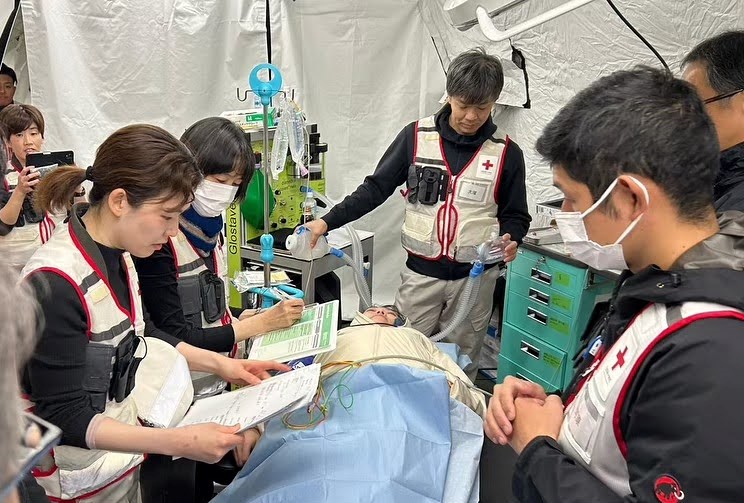
Training in the operating room
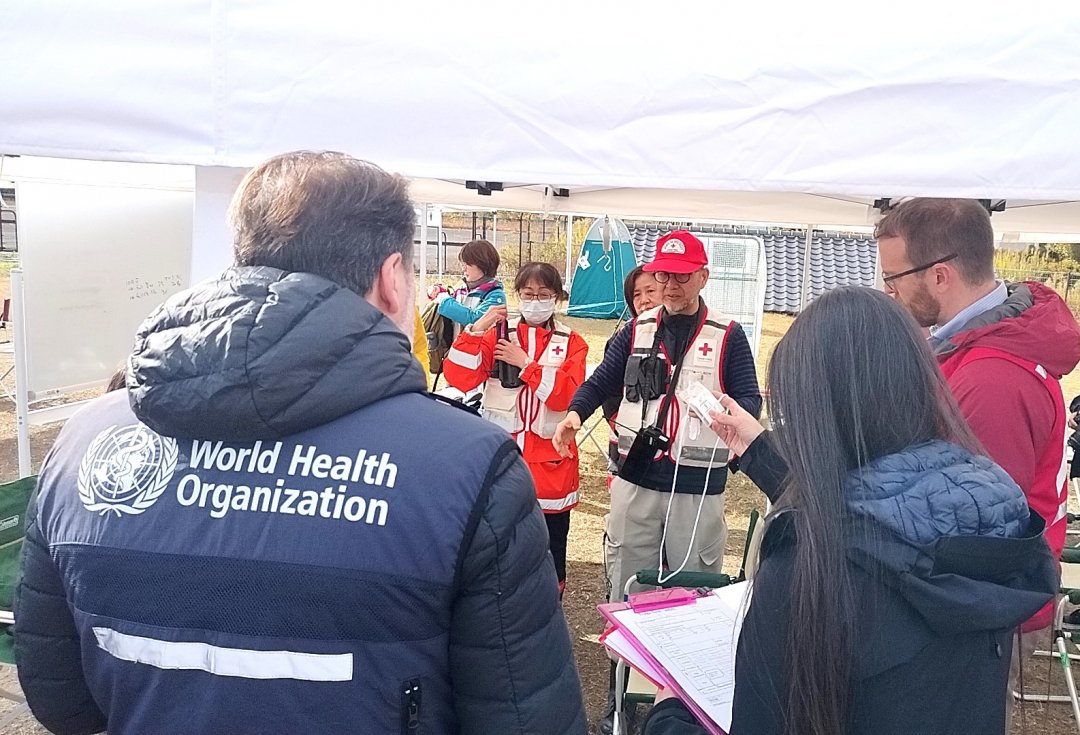 Explaining deployed equipment and functions
JRCS International Delegates
Human resources are indispensable for delivering aid and conducting activities in response to humanitarian crises such as natural disasters, conflicts, and infectious diseases. The JRCS dispatches "International Relief and Development Cooperation Staff (International Delegates)" around the world to provide humanitarian assistance in cooperation with local Red Cross and Red Crescent staff and volunteers. A wide range of personnel, including doctors, nurses, logisticians, and business administrators, are involved in a variety of activities, including the dissemination of health and hygiene knowledge to local communities, disaster prevention and first aid for the purpose of improving resilience, and mental health care (psychosocial support). In recent years, the JRCS has adopted a more flexible approach by combining on-the-ground missions with remote support such as technical support provided online. In FY 2024, the number of international delegates engaged in medium- to long-term relief activities increased. A total of 45 international delegates worked in 14 countries.